





From 2015 to 2019, over 204 million barrels of oil valued at N4.075 trillion was lost to oil theft and vandalism, according to Nigeria Extractive Industries Transparency Initiative (NEITI); while billions were spent on repairs and maintenance for the same period. Incidents of vandalism have persisted and remained on the increase despite financial and security measures taken by the government to curb the menace. Vandalism is, unfortunately, not an isolated problem. Its ripple effects include life-claiming explosions, oil spillage, and pollution as well as clean up.
President Buhari should work with the NNPC, states and local governments in identifying possible international markets and destinations of stolen Nigerian crude oil. NNPC must end the prevailing incentives that make it possible for crude oil theft and pipeline vandalism to flourish. NNPC as a player in the downstream sector that has felt direct brunt of the attacks on oil facilities and assets must work with states and local communities. Between 2001 and 2019, NNPC recorded a total of 45,347 pipeline breaks and breeches on our downstream pipeline network. If you do the math, it comes to about an average of seven incidences on a daily basis.
President Buhari should put pressure on Federal Ministries, Departments and Agencies, state, and local governments concerning pipeline surveillance. He should be involved in budget and announce the award of pipeline surveillance and waterways security contracts. Only bodies/institutions with an infrastructure security mandate should be able to award and terminate contracts, and the Bureau of Public Procurement should be involved to ensure maximum competitiveness.
Nigerias international partners should put pressure on the government, as well as international and domestic oil companies, to involve states and local governments and publish details about their pipeline security contracts and share lessons learned with one another.
President Buhari should pay more attention towards interstate pipelines government entities (federal, state, or local) or private companies operating in the oil sector to. Indeed, President Buhari should pay more attention towards pipeline surveillance contracts which are awarded to private firms by government agencies and oil companies. Surveillance contractors are ostensibly tasked with monitoring sections of oil pipeline, identifying any breaks and protecting them from vandalism. However, the concept of pipeline surveillance contracts in the Niger Delta is a misnomer. They rarely involve any actual surveillance, but are used as a disguised payment for peace to agitator groups and as patronage for political allies. Factors such as a lack of local participation in the oil and gas industry necessitated the existence of this system of pipeline surveillance, to avoid pipeline vandalism and other criminal activities that may disrupt oil and gas production.
President Buhari should pay more attention towards pipelines surveillance contracts which have short-term effects as amnesty programme payments to ex-agitators. They are not sustainable, especially as they are not part of a more holistic security and development plan. There is growing pressure among a number of regional stakeholders for community pipeline surveillance as part of a solution to protect oil and gas infrastructure. However, there has been no tangible progress made by the federal government towards implementation, and it remains unclear whether a community-based system could avoid the pitfalls of the current approach.
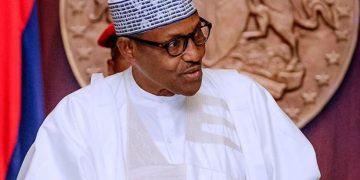
President Muhammadu Buhari had vowed in the past to ensure adequate protection of oil and gas installations across the country to prevent vandalism, oil theft and piracy. It is the responsibility of the federal government to secure the environment. The vandalism of oil installations and pipelines, piracy, oil theft and the fall in the international price of oil have made our economic situation very disturbing, Buhari said at separate meetings with delegations from Exxon-Mobil and the Nigeria Liquefied Natural Gas Company (NLNG) at the Presidential Villa, Abuja.
He promised the removal of bureaucratic bottlenecks created by multiple government agencies that currently impede the operations of companies in the oil and gas sector. He added that his administration will undertake appropriate reforms and implement fresh policies to boost national income from oil and gas production.
He said the country has lost so much to the vices, stressing that the situation has tremendously affected the economic fortunes of the county
Inwalomhe Donald writes from Warri, Delta State via [email protected]
Related
Download Daily Trust News App